Save 20% on select prints

Starting an Art Collection (Without Breaking the Bank)
You don't need to be wealthy to own art you love
Charlie B Team
1/23/20264 min read
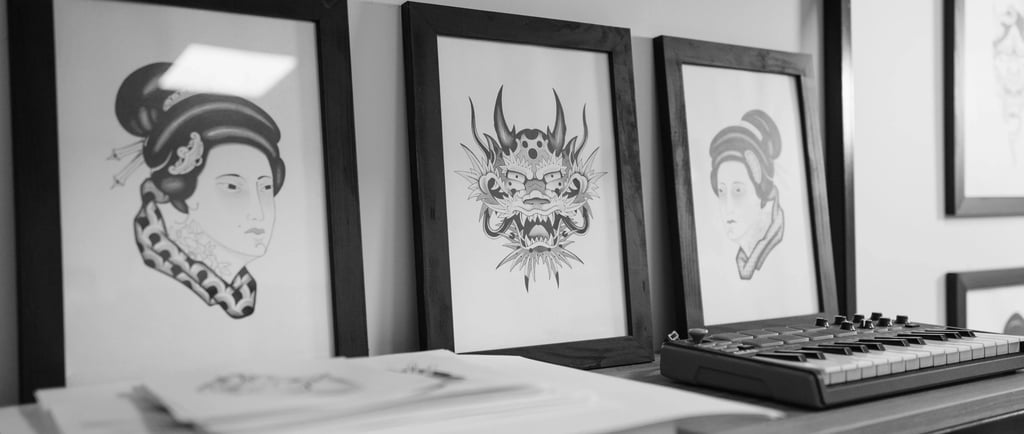
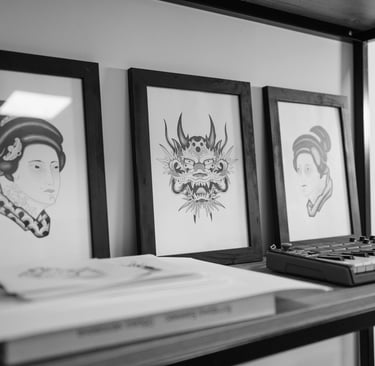
There's a myth that art collecting is for the rich. That you need deep pockets, insider connections, or an art history degree to build a collection worth having.
It's not true.
Anyone can collect art. You just need to approach it differently than you might expect. Here's how to build a collection you're proud of without financial stress.
Redefine What "Collecting" Means
Forget the image of a mansion with million-dollar paintings. That's one kind of collecting. It's not the only kind.
A collection is simply art you've intentionally gathered over time. It could be three prints that mean something to you. It could be twenty pieces accumulated over a decade. The number doesn't matter. The intention does.
What makes it a collection:
You chose each piece deliberately
There's some thread connecting them (even if only you see it)
You plan to keep adding over time
What doesn't matter:
How much you spent
Whether anyone else recognizes the artists
Whether it would impress a gallery curator
Your collection is for you. That's the starting point.
Buy What You Actually Love
This sounds obvious. It isn't.
When people start thinking about "collecting," they often shift into investment mode. They wonder what will appreciate. What's trendy. What looks sophisticated. This is backwards.
The real test:
Would you hang this piece even if no one else ever saw it? Would you still love it in ten years? Does it make you feel something?
If yes, it belongs in your collection. If you're buying it to impress someone or because you think you should like it, pass.
Why this matters financially:
Art as investment is unpredictable. Most pieces don't appreciate significantly. The ones that do are impossible to predict reliably. But art you love? That pays dividends every day you look at it.
Buy for joy, not speculation. You'll spend less (no chasing trends) and enjoy more.
Start With Prints
Original paintings are wonderful. They're also expensive, even from emerging artists. A decent original can easily run hundreds or thousands of dollars.
Prints change the equation.
Why prints make sense:
Accessibility: Quality prints from established artists cost a fraction of originals
Variety: You can own work from multiple artists instead of saving for one piece
Quality: Modern archival prints are museum-grade, they're not "lesser" art
Flexibility: Easier to experiment with styles when the stakes are lower
The quality question:
Some people dismiss prints as "not real art." This is snobbery, not substance. A beautifully printed piece on archival paper, properly framed, is art. Period.
The experience of living with a print you love is identical to living with an original you love. Your walls don't know the difference. Neither will your enjoyment.
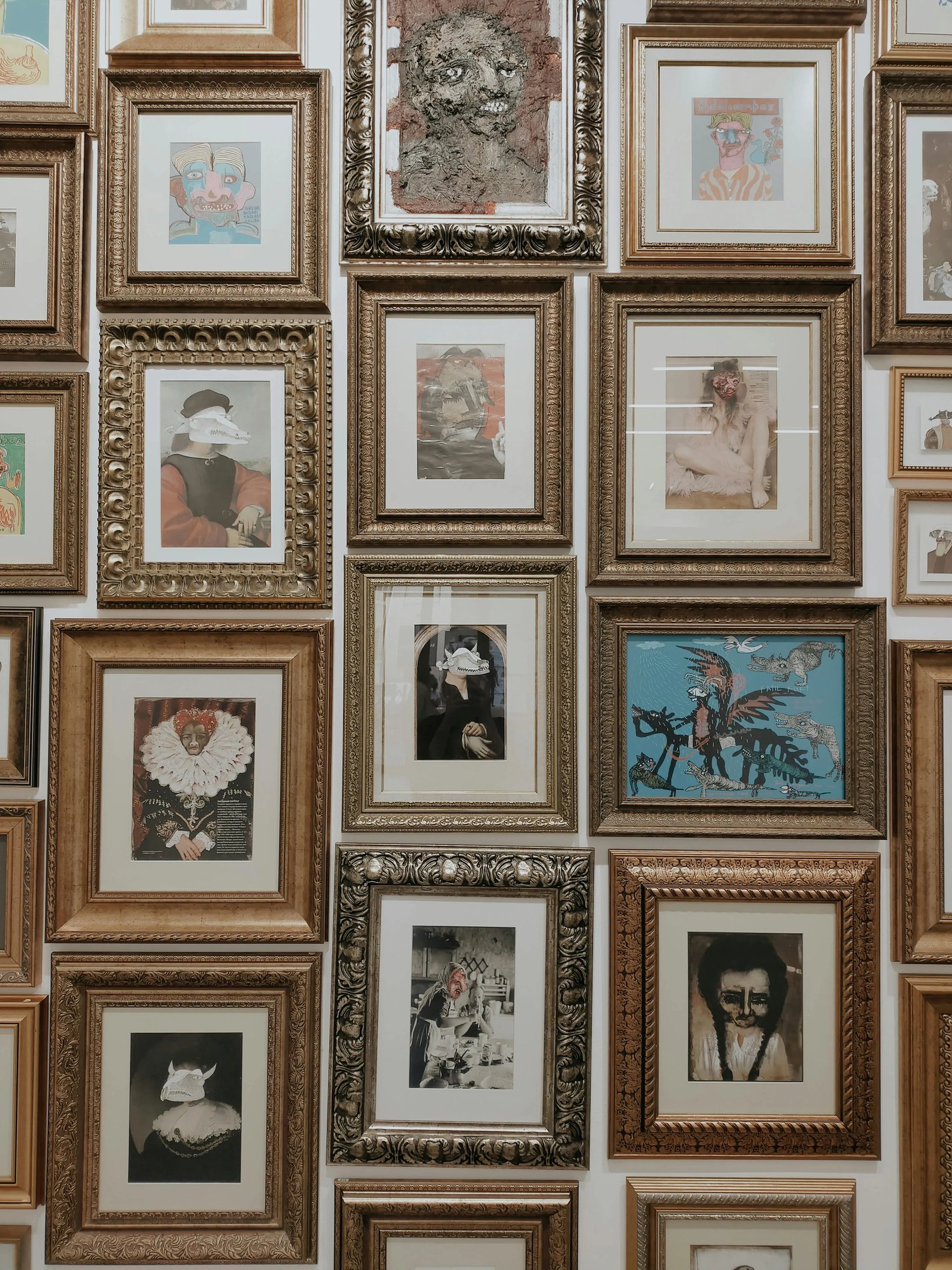
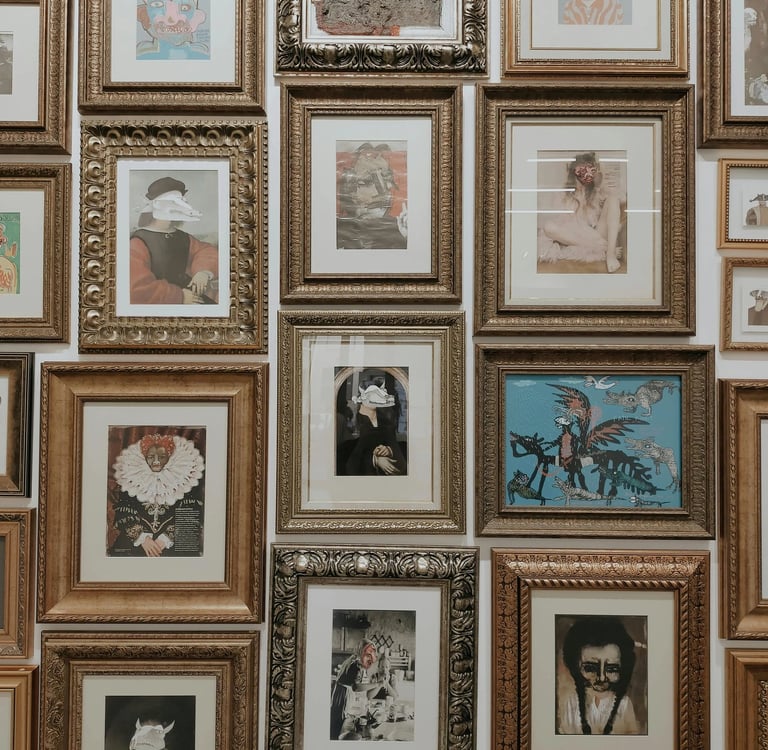
Set a Budget (And Stick to It)
Collecting works best as a slow burn, not a spending spree.
A sustainable approach:
Decide what you can comfortably spend on art per year
Divide that into a per-piece budget or a "whenever I find something" fund
Treat it like any other discretionary spending
Example budgets:
$200/year: One or two quality prints annually
$500/year: A few prints, or save up for something special
$1,000/year: Room to explore, mix prints and occasional originals
None of these are large amounts. All of them, sustained over years, build a meaningful collection.
The patience advantage:
When you're not rushing, you make better choices. You wait for pieces that truly resonate instead of buying something just because you have money allocated. Patience is a budget multiplier.
Build Slowly and Intentionally
The best collections aren't built in a weekend. They accumulate.
A realistic timeline:
Year 1: 2-3 pieces you genuinely love
Year 5: 10-15 pieces, starting to see themes emerge
Year 10: A real collection with depth and personal meaning
The benefits of slow:
Your taste evolves, early purchases teach you what you actually like
You avoid buyer's remorse from impulse purchases
Each piece gets proper attention and placement
The financial impact stays manageable
What "intentional" means:
You don't need a rigid theme or style. But you should be able to articulate why you bought each piece. "I love it" is enough. "It was on sale" is not.
The Long Game
Here's what happens when you collect slowly over years:
You end up with art that tells a story. Each piece marks a moment, where you were, what you were drawn to, how your eye was developing. The collection becomes autobiographical without trying.
You also end up with more than you expected. Small, consistent purchases compound. A decade of modest buying creates something substantial.
And you do it without financial strain. No credit card debt, no regret, no pieces bought out of obligation. Just art you chose because you loved it.
Getting Started
If you're reading this and have no art, start here:
Set a modest budget for your first piece
Browse with intention, look at what draws your eye, not what seems impressive
Buy one thing you genuinely love
Hang it somewhere you'll see it daily
Live with it before buying your next piece
That's it. You're collecting.
The rest is just repetition over time. Find things you love. Bring them home. Build something meaningful.
You don't need to be rich. You need to pay attention to what moves you and have the patience to accumulate slowly.
The collection will take care of itself.
Charlie B Gallery offers archival prints designed to be the foundation of a collection that lasts. Quality you can build on, at prices that make collecting possible. See our collection →
Contact
Questions? Reach out anytime, we're here.
Charlie B. Gallery
c/o Retail Management LLC
400 Capital Circle SE, Suite 18
Tallahassee, FL 32301
info@charliebgallery.com
© 2026 Charlie B Gallery, All rights reserved.