Save 20% on select prints

How to Care for Your Art Prints (So They Last a Lifetime)
Because buying quality art is only half the equation
Charlie B. Staff
12/13/20255 min read
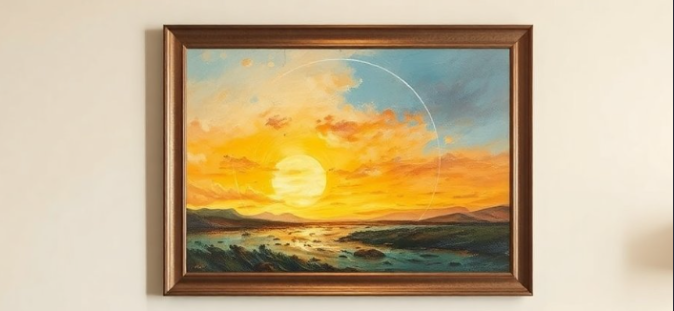
You've bought a print you love. It's on archival paper, printed with professional-grade inks, rated to last 100+ years. You've done the hard part, choosing something that matters to you.
Now what?
The good news: quality prints are built to last. The better news: a few simple practices will ensure yours looks exactly the same decades from now. Here's what actually matters.
The Basics: Light, Temperature, and Humidity
Your print's three enemies are light, heat, and moisture. Manage these, and you're 90% of the way there.
Light Damage
UV light fades colors. It's that simple. Even indirect sunlight will cause fading over time. Direct sunlight will do it faster.
What to do:
Avoid hanging prints in direct sunlight
Use UV-filtering glass or acrylic if framing (more on that below)
Rotate pieces if you have multiple prints, give them breaks from the light
Consider the room's light exposure when choosing placement
What not to worry about:
Normal indoor lighting is fine
LED bulbs don't emit UV, so they're safe
Occasional sunlight isn't catastrophic, it's prolonged exposure that causes problems
Temperature and Humidity
Extreme conditions damage paper and inks. Think attics, basements, or rooms with major temperature swings.
Ideal conditions:
Temperature: 65-75°F (18-24°C)
Humidity: 40-50% relative humidity
Stable conditions, void rooms that swing dramatically
What to avoid:
Bathrooms (humidity spikes)
Kitchens (heat and humidity)
Uninsulated spaces (attics, garages)
Direct heat sources (radiators, vents)
Most homes naturally fall within these ranges. If you're comfortable, your art probably is too.
Framing: Protection and Presentation
Framing isn't just aesthetic, it's protection. A good frame keeps your print safe from light, dust, and handling.
Choosing a Frame
The frame itself:
Any style works, this is about your taste
Make sure it's deep enough for the mat and backing (more on that below)
Avoid frames that press directly against the print, you need space
The glass or acrylic:
UV-filtering glass blocks 97%+ of UV rays
Acrylic is lighter and shatter-resistant (good for large pieces)
Non-glare options reduce reflections but can slightly soften the image
Standard glass works if you're avoiding direct sunlight
The mat:
Creates space between print and glass (prevents sticking)
Acid-free mats won't yellow or damage the print over time
Standard mats are fine for most prints
Museum mats are archival-grade but usually unnecessary unless you're storing something valuable
The backing:
Acid-free backing board protects the print
Foam core is standard and works well
Avoid cardboard or wood backing that touches the print directly
DIY vs. Professional Framing
You can frame prints yourself. It's not complicated. But:
DIY works if:
You're comfortable with the process
You're using standard sizes
You want to save money
You're okay with occasional mistakes
Professional framing makes sense if:
The print is valuable or sentimental
You want custom sizing or special materials
You want it done perfectly the first time
You don't enjoy DIY projects
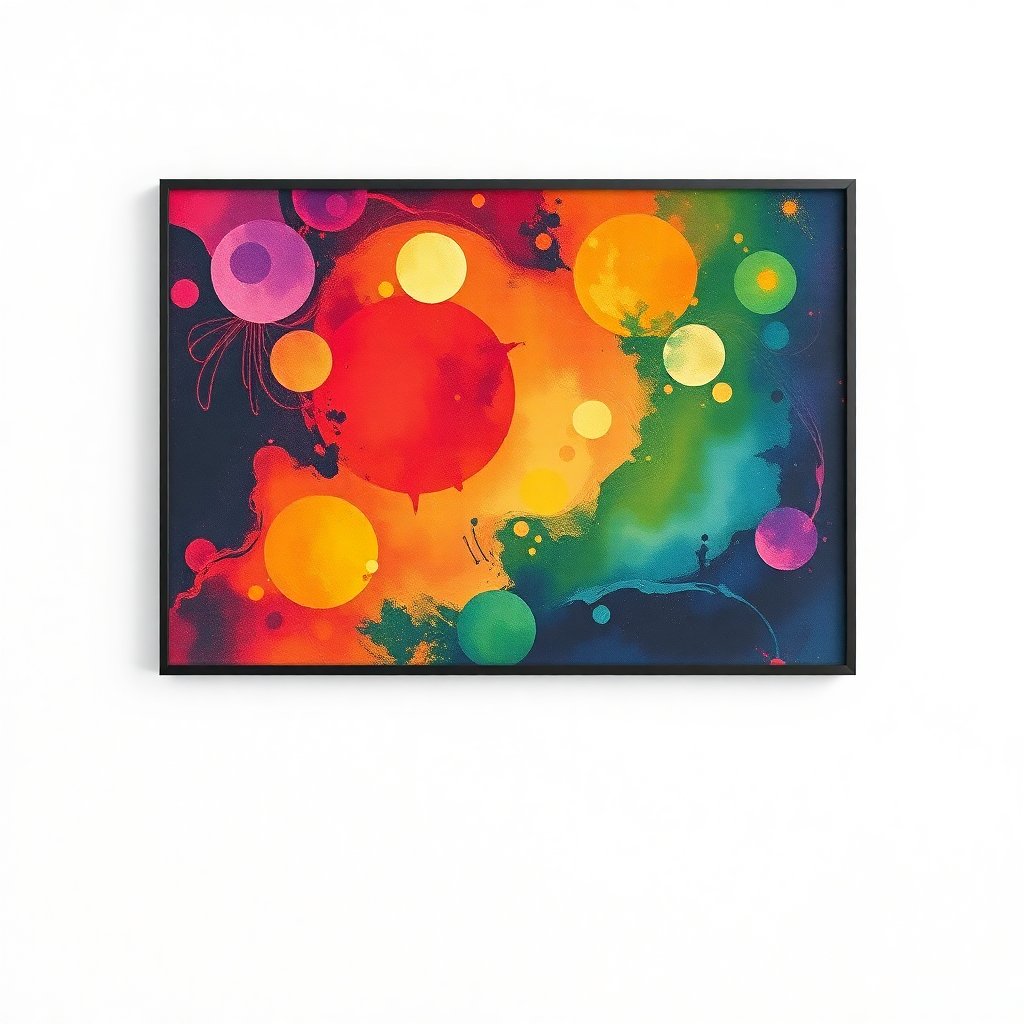
Both approaches are valid. The important part is using acid-free materials and UV-filtering glass if the print will be in sunlight.
The Long View
Here's the thing: if you've bought a quality print on archival paper, you've already done most of the work. The materials are designed to last.
Your job is simple:
Keep it out of direct sunlight
Frame it properly (or display it carefully unframed)
Handle it with basic care
Store it safely if needed
That's it. You don't need special equipment, climate control, or constant vigilance. Just reasonable attention to the basics.
A print you love deserves to look the same in twenty years as it does today. With quality materials and basic care, it will.
The Bottom Line
Caring for art prints isn't complicated. It's mostly common sense: protect from light, avoid extremes, handle carefully, frame properly.
The prints we sell are built to last. Your job is just to not actively work against that. Avoid the obvious mistakes, use basic care, and your print will be fine.
Buy quality. Care for it simply. Enjoy it for decades.
That's the whole formula.
Every Charlie B Gallery print is made with archival materials designed to last. We want your art to look exactly the same in 2044 as it does today. Browse our collection →
Unframed Display
You can absolutely display prints unframed. Modern prints on quality paper look great this way.
If you go unframed:
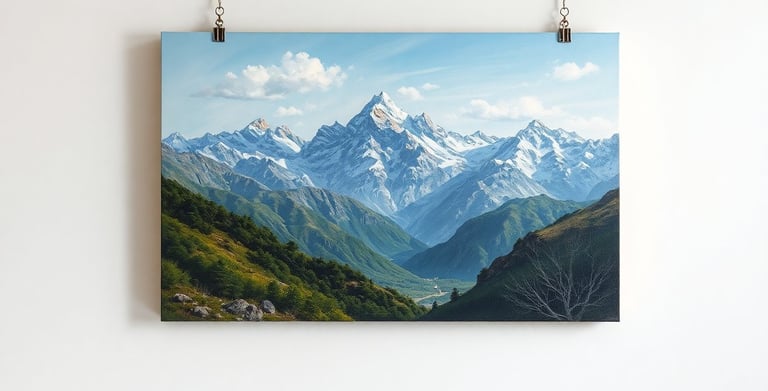
Use mounting corners or clips (don't tape or glue the print)
Keep it out of direct sunlight
Handle it carefully when moving or cleaning
Consider a protective spray (though this is optional with quality prints)
Unframed works especially well for larger prints or gallery-style displays. It's a look, and it's perfectly valid.
Handling and Storage
How you handle your print matters, especially before it's framed or hung.
When Handling
Wash your hands or use clean cotton gloves
Hold by the edges, not the image area
Support larger prints with both hands
Don't bend or crease the paper
This sounds obvious, but it's easy to forget when you're excited to hang something.
If You Need to Store It
Maybe you're moving, redecorating, or rotating pieces. Here's how to store prints safely:
Short-term (weeks to months):
Lay flat in a portfolio or between acid-free boards
Keep in a cool, dry place
Avoid stacking heavy items on top
Long-term (years):
Same as short-term, but check periodically
Consider archival storage boxes
Keep away from basements, attics, or garages
Document what's stored where
What not to do:
Don't roll prints tightly (can cause creasing)
Don't store in plastic bags (can trap moisture)
Don't stack unframed prints directly on each other (can stick)
Cleaning and Maintenance
Quality prints don't need much maintenance, but here's what to know.
Dusting Framed Prints
Use a soft, dry cloth (microfiber works well)
Dust gently, don't press hard
Clean the glass, not the print itself
Avoid cleaning sprays directly on the frame (spray the cloth instead)
If Something Gets on the Print
Water:
Blot gently with a clean, dry cloth
Don't rub, that can spread the damage
Let air dry completely before storing or reframing
Other substances:
Consult a professional conservator for anything beyond light dust
Don't use household cleaners on the print itself
When in doubt, leave it alone
The reality: if you've framed your print properly, most accidents won't reach the print itself. The frame and glass are doing their job.
Common Mistakes (And How to Avoid Them)
Taping prints to the wall. Use mounting corners, clips, or proper hanging hardware. Tape can damage the paper and leave residue.
Framing without a mat. The print can stick to the glass over time, especially in humid conditions. A mat creates necessary space.
Using non-archival materials. Regular cardboard, wood, or paper can yellow and damage prints over decades. Acid-free materials are worth the small extra cost.
Hanging in direct sunlight. Even with UV-filtering glass, direct sunlight will cause fading eventually. Choose placement carefully.
Ignoring humidity. Bathrooms and kitchens aren't ideal. If you must hang art there, use extra protection and expect shorter lifespans.
Storing rolled up. Rolling can cause permanent creasing. Store flat when possible.
Most of these are easy to avoid once you know about them. The goal isn't perfection, it's avoiding the big mistakes that actually cause damage.
When to Worry (And When Not To)
Don't worry about:
Normal indoor lighting
Occasional temperature swings
Dust (just clean it)
Moving or rotating pieces
Living in a normal home
Do pay attention to:
Direct sunlight exposure
Extreme humidity (mold, warping)
Water damage
Physical damage (tears, creases)
Signs of fading or color shift
Quality prints are resilient. They're designed to handle normal life. You don't need a museum environment, just reasonable care.
Contact
Questions? Reach out anytime, we're here.
Charlie B. Gallery
c/o Retail Management LLC
400 Capital Circle SE, Suite 18
Tallahassee, FL 32301
info@charliebgallery.com
© 2026 Charlie B Gallery, All rights reserved.